

In a short trading update, National Grid confirmed that its regulated UK Electricity businesses are performing in line with expectations, with profits to be split evenly over the year. In the US, profits are expected to be weighted to the second half, in line with usual seasonal trends.
The Ventures & Other division is now expected to deliver around £130mn of additional profit, reflecting one-off gains from investments and a stronger-than-expected performance.
Full-year earnings per share (EPS) guidance has been upgraded to slightly above its prior 13-15% guidance range.
The shares rose 1.6% in early trading.
Our view
National Grid has made a solid start to the year. Its regulated electricity networks continue to deliver steady progress, while a stronger-than-expected performance from the Ventures division has given full-year profit guidance a modest boost.
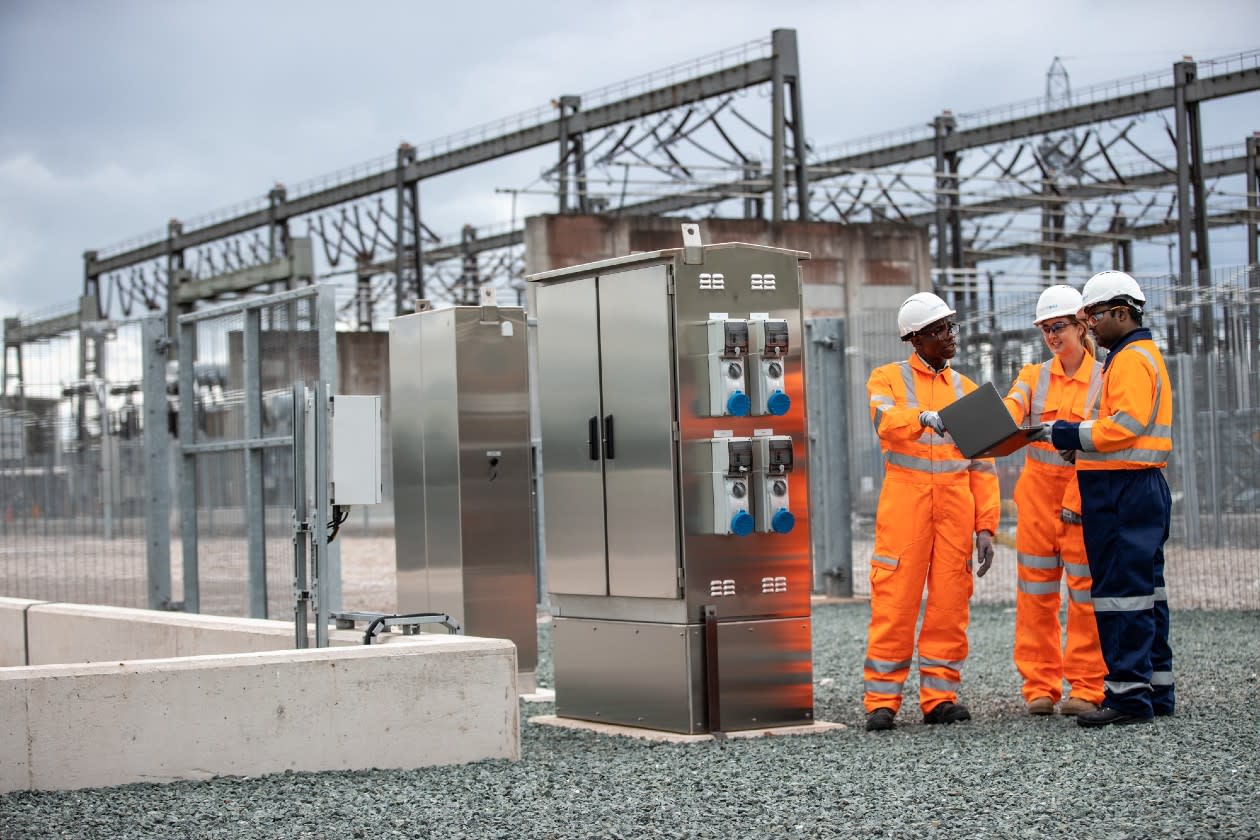
Work is well underway for National Grid to plant itself at the heart of the electric revolution. More than £70bn is set to be invested in building out its infrastructure over the five years to 2031. That’s a significant step up from the previous five-year period, as electricity demand rises and the UK requires greater network capacity to support an increasingly electrified economy.
This step-up in investment should see the group’s asset base grow by around 10% annually out to 2031. And with National Grid’s revenues linked to the value of its asset base, it’s targeting annual earnings growth of between 8-10% over the period, which looks achievable to us.
Alongside this, the portfolio is being streamlined, with a few non-core assets, including the renewables arm, being offloaded. These deals have freed up cash for reinvestment and allow management to focus more fully on expanding energy infrastructure.
The dividend was rebased lower in 2024 to help fund these growth plans and prevent pressure on the balance sheet. Despite this, there’s still a respectable 4.4% forward dividend yield on offer, which is expected to grow in line with inflation. But as always, no shareholder returns are guaranteed.
National Grid looks relatively immune to the knock-on effects of the Middle East conflict. It has limited exposure to wholesale energy prices, and its revenues are positively linked to inflation, providing a natural hedge to these unhelpful dynamics.
Despite the rise in investment spending, we have no concerns about balance sheet health. Reliable revenues and prior equity raises mean the group should be able to proceed with its spending plans without issues. And with around 80% of its debt locked in at fixed rates, the impact of potentially higher interest rates in the near term should be manageable.
The government recently announced GB Grid, a publicly owned company aimed at increasing competition in the sector. It isn't expected to be operational before 2030, and its small scale, scope, and funding mean that it shouldn’t materially disrupt National Grid’s long-term plans. We actually view the move as removing a layer of political risk hanging over the sector.
National Grid’s investment programme is expected to drive stronger earnings growth in the coming years. We see scope for the group’s earnings multiple to expand as this higher growth comes through. However, this relies on continued execution, and any meaningful delays or cost overruns on the buildout could weigh on investor returns.
Environmental, social and governance (ESG) risk
The utilities industry is high-risk in terms of ESG. Management of these risks tends to be strong, with European firms outperforming their overseas counterparts. Environmental risks like carbon emissions, resource use and non-carbon emissions and spills tend to be the most significant risks for this industry. Employee health and safety and community relations are also key risks to monitor.
According to Sustainalytics, National Grid’s management of ESG risk is strong.
Its reporting of ESG issues is strong. There is a robust health and safety management system in place that includes regular employee training and system audits, with a strong contractor safety track record. While the group has maintained high levels of reliability on all its networks in the UK and US, there have been instances of outages leading to regulatory investigations and fines.
National Grid key facts
All ratios are sourced from LSEG Datastream, based on previous day’s closing values. Please remember yields are variable and not a reliable indicator of future income. Keep in mind key figures shouldn’t be looked at on their own – it’s important to understand the big picture.
This article is original Hargreaves Lansdown content, published by Hargreaves Lansdown. It was correct as at the date of publication, and our views may have changed since then. Unless otherwise stated estimates, including prospective yields, are a consensus of analyst forecasts provided by LSEG. These estimates are not a reliable indicator of future performance. Yields are variable and not guaranteed. Investments rise and fall in value so investors could make a loss.
This article is not advice or a recommendation to buy, sell or hold any investment. No view is given on the present or future value or price of any investment, and investors should form their own view on any proposed investment.